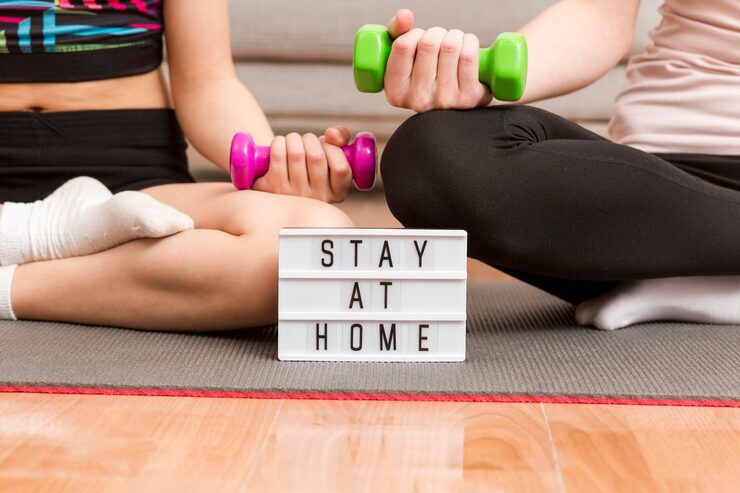
Let us be honest. Most of us do not skip exercise because we dislike being healthy. We skip it because the gym is far away, the membership is pricey and the evening is already full. The good news is that you can get fit in your living room with almost no equipment. A well planned home workout gives you strength, stamina and better energy, and it fits around work, family and real life.
This guide shows you how to get started, what a balanced weekly routine looks like, and how food, rest and screen habits can make your progress faster and easier.
Why Working Out at Home Works
The biggest advantage of exercising at home is convenience. There is no travel time, no waiting for equipment and no pressure from a crowded room. You can train in your pyjamas at 6 am or squeeze in twenty minutes before dinner.
It Saves Time and Money
A gym membership can cost a fair amount over a year. At home, you can begin with nothing more than a mat and a bottle of water. Later you might add resistance bands or a pair of dumbbells, but even those are optional in the first few weeks.
It Builds a Habit That Lasts
Consistency beats intensity. When the only thing standing between you and your workout is a few steps across the room, you are far more likely to show up regularly. Small sessions done often will always beat big sessions done rarely.
How Much Exercise Do You Really Need?
Health guidance in the UK suggests that adults aim for at least 150 minutes of moderate activity each week, along with strength exercises on two days. That sounds like a lot until you break it down. Thirty minutes on five days covers the first target, and two of those sessions can include strength work.
Start Small if You Are New
If you have not exercised for a while, begin with 10 to 15 minutes a day and add a little each week. Your body needs time to adjust. If you have a medical condition, an injury or any worries, speak to your GP before starting a new programme.
The Basic Moves Everyone Should Know
You do not need a long list of exercises. A handful of simple moves work most of the body.
Lower Body
Bodyweight squats, reverse lunges and glute bridges build strong legs and hips. Keep your chest lifted, push through your heels and move slowly. Quality matters more than speed.
Upper Body and Core
Push ups, which can be done on your knees or against a wall at first, train the chest, shoulders and arms. Planks and dead bugs strengthen the core and protect your back. Hold a plank for 20 to 30 seconds, rest, then repeat.
Cardio Without Equipment
Marching on the spot, step ups on a staircase, skipping without a rope and brisk dancing in the kitchen all raise your heart rate. Choose whatever you enjoy, because the best cardio is the kind you actually do.
A Simple Weekly Home Workout Plan
Here is an easy structure you can follow. Adjust it to your schedule and energy.
On Monday, do a 25 minute full body strength session with squats, push ups, lunges and planks, doing three rounds of ten reps each. On Tuesday, take a 30 minute brisk walk or light cardio session. On Wednesday, repeat a strength session, this time adding glute bridges and dead bugs. On Thursday, rest or stretch gently for 15 minutes. On Friday, do 20 minutes of cardio intervals, such as one minute fast and one minute easy. On Saturday, enjoy something active and fun, like a long walk or a bike ride. On Sunday, rest completely.
How to Know It Is Working
You will usually notice better sleep and mood within two weeks, then more strength and stamina after four to six weeks. Keep a short note of how many reps you manage each week. Seeing small improvements keeps you motivated.
Food and Fitness: Eating to Support Your Training
Exercise works best when your eating habits support it. You do not need a perfect diet. Focus on regular meals with protein, vegetables, whole grains and enough water.
A Note on Appetite and Supplements
Many people wonder whether appetite control supplements can speed up weight loss. The honest answer is that results vary and evidence for many products is limited. No supplement replaces balanced meals, good sleep and regular movement. If you are considering any supplement, check the ingredients, speak to a pharmacist or GP first, and be cautious about bold promises.
Simple Eating Habits That Help
Try to include protein at each meal, keep healthy snacks like fruit, nuts or yoghurt close by, and avoid skipping meals when you are training. These small choices keep your energy steady and reduce the urge to overeat later in the day.
Recovery, Sleep and Screen Time
Muscles grow and repair when you rest, not while you train. Sleep is the quiet engine behind every fitness goal. Adults generally do best with seven to nine hours a night.
Why a Digital Detox Can Improve Your Results
Late night scrolling can delay sleep and leave you tired the next morning, which makes workouts feel harder. A short digital detox each evening, such as switching off screens an hour before bed, helps your mind settle and improves rest. Many people find that this one habit makes their mornings easier and their motivation higher.
Stretch and Move Gently
Five to ten minutes of stretching after a workout helps your muscles relax. On rest days, a gentle walk keeps blood flowing and reduces stiffness without adding stress.
Common Mistakes Beginners Make
The most common mistake is doing too much too soon, which leads to soreness, injury and burnout. The second is ignoring form. Slow, controlled movements protect your joints and give better results. The third is comparing yourself with others online. Your journey is your own, and steady progress matters more than a dramatic start.
Final Thoughts
Getting fit at home does not require fancy equipment or a perfect plan. It needs a few basic exercises, a realistic weekly schedule, sensible eating and enough rest. Start with short sessions, stay consistent and build up gradually. Within a few weeks you will feel stronger, sleep better and have more energy for everything else in your day. The best time to begin is today, and the best place is wherever you are standing right now.
Frequently Asked Questions
1. How often should I do a home workout as a beginner?
Three to four days a week is a good start, with rest days in between. Begin with 15 to 20 minute sessions and gradually add time as your strength and confidence improve.
2. Can I build muscle with a home workout and no equipment?
Yes, especially as a beginner. Push ups, squats, lunges and planks challenge your muscles well. Over time, you can make exercises harder by slowing them down, adding reps or using resistance bands.
3. Do appetite control supplements really help with weight loss?
Evidence is mixed and results differ from person to person. Healthy meals, regular activity and good sleep matter far more. Speak to a GP or pharmacist before using any supplement, particularly if you take medication.
4. How does a digital detox help my fitness goals?
Reducing screen time, especially before bed, improves sleep quality and lowers stress. Better sleep helps recovery, mood and energy, which makes it easier to stay consistent with your workouts.
5. What is the best time of day for a home workout?
The best time is the one you can stick to. Some people prefer mornings for energy and routine, while others enjoy evenings to release stress. Avoid very intense exercise right before bed if it keeps you awake.